
PARTNERSHIP ANNOUNCEMENT: We are seeking domestic and global partners with PITTLER SkiveLine, WFL Millturn, Mazak İNTEGREX AG, DMG MORI (NTX / CTX TC) or EMAG VLC GT manufacturing capabilities to collaborate on the commercial prototyping and large-scale serial production of our patented technology. Click here for more details.

The company was established with the strategic support of the Scientific and Technological Research Council of Türkiye (TÜBİTAK) to commercialize six patented inventions developed by the inventor Nadir AKSOY.
Established to commercialize a robust portfolio of patented technologies including [TR 2017 22869 B, TR 2018 02873 B, TR 2018 05173 B, TR 2021 020251 B, TR 2024 019256 B (PCT/TR2025/051688), TR 2024 019069 B (PCT/TR2025/051690)], with the support of TÜBİTAK, our company focuses on Eco-Friendly, Sustainable Performance Orbital Mechanisms (ESPOM). These versatile mechanisms serve three primary strategic sectors:
Sustainable Propulsion: Internal combustion engines compatible with renewable alternative fuels.
Renewable Energy: High-efficiency wind turbines for power generation and energy storage.
Industrial Compression: Zero-crankshaft compressor motors with superior energy density.
Technical Innovation & Market Advantage:
In conventional reciprocating compressors, the crankshaft is inherently inefficient at converting rotary motion into linear motion, particularly near top dead center (TDC) where compression pressure peaks. This results in significant mechanical and energy losses. Our patent-approved architecture eliminates the crankshaft entirely, utilizing a novel kinematic system that transmits thrust directly to the piston during the final stages of compression.
Furthermore, we address the logistical and ergonomic challenges of bulky, high-cost external air tanks. By integrating a high-frequency operational cycle and a low-volume balancer to stabilize flow, our design achieves a tankless, compact, and highly portable configuration. This innovation significantly reduces production costs and storage requirements while maximizing operational efficiency and pressure stability.
https://www.linkedin.com/company/77649112
https://www.linkedin.com/in/inventor-nadir-aksoy
https://www.linkedin.com/groups/13948018
Detailed Posts: https://lnkd.in/dnRhY-hi
Following the successful completion of the initial EPSOM prototype (Model No: 75), development has commenced on a second-generation iteration optimized for enhanced efficiency. This advanced version—Model No: 79—has been recognized with a prestigious award at TEKNOFEST and is protected under patent TR 2024 019256 B (PCT/TR2025/051688).
Presentations prepared by Google Gemini on patented ESPOM mechanisms.
Planetary Opposed-Piston Compressor (P-OPC)
Orbital Compressed Air Powered Engine (O-CAPE)
Orbital Internal Combustion Engine (O-ICE)
EKOLOJİK, SÜRDÜRÜLEBİLİR PERFORMANS, ORBİTAL MOTOR
HIGH TORQUE GENERATING MECHANISM AND INTERNAL COMBUSTION, ROTARY ENGINE
High-efficiency and high-torque power units for aerospace, automotive, and marine applications: Interconvertible linear and circular motion mechanisms for internal/external combustion, compressed air engines, and industrial compressors featuring piston-driven rotors.
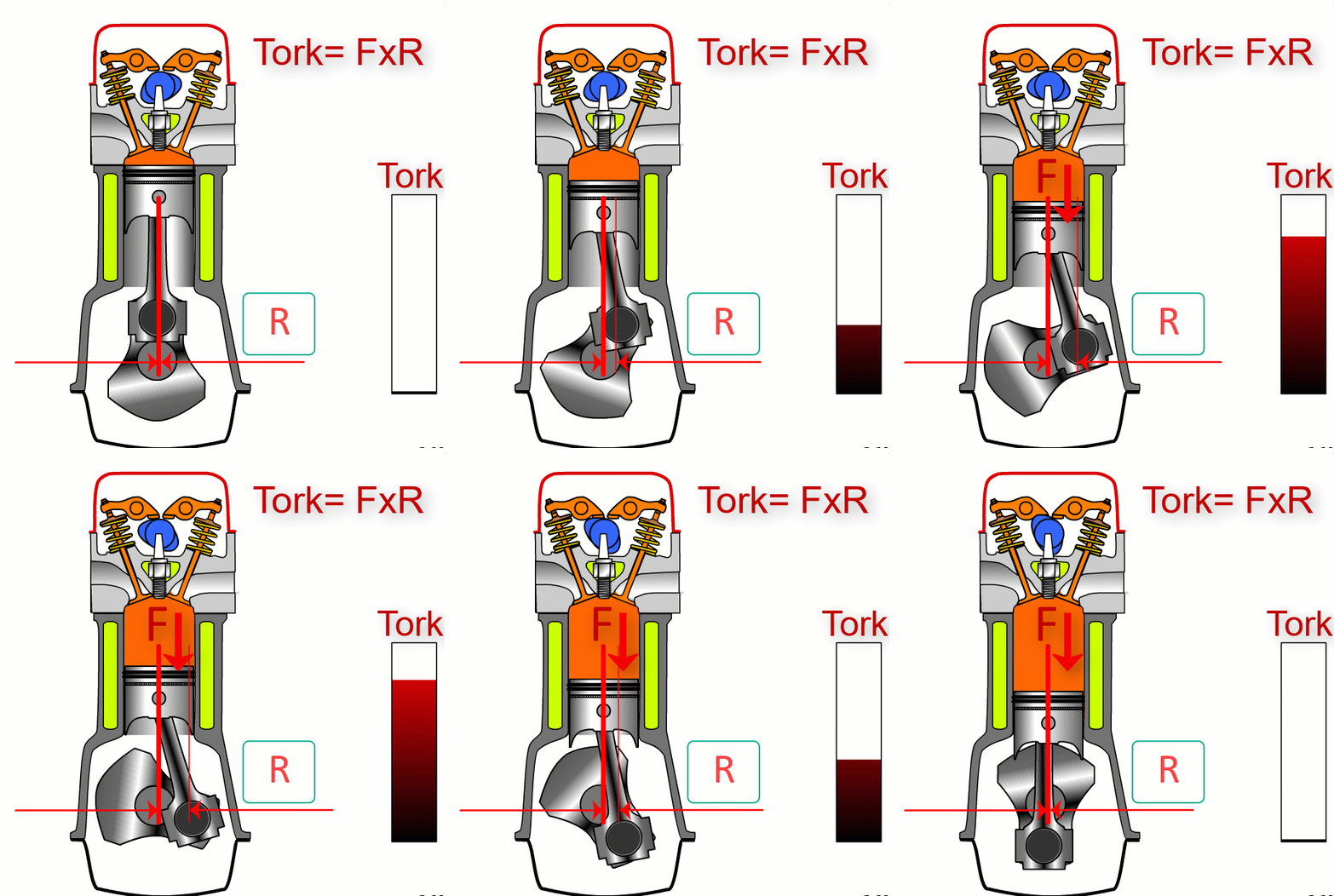
In conventional internal combustion engines utilizing a crankshaft, the crank angle is approximately 10–15 degrees during peak cylinder pressure. Consequently, according to the fundamental torque formula, the resultant pressure cannot be fully converted into effective engine torque due to this suboptimal mechanical leverage.
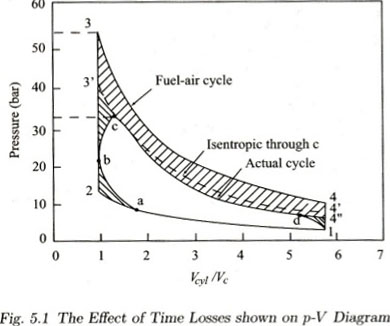
In conventional reciprocating and rotary engines, the combustion process is inextricably linked to the four-stroke cycle, typically initiating toward the end of the compression stroke and extending into the expansion stroke. This lack of stroke independence significantly increases friction, while compromising mechanical efficiency, thermal efficiency, and emission profiles—thereby reducing overall efficiency and increasing brake-specific fuel consumption (BSFC). Contemporary advancements, such as SkyActiv-X (SPCCI), employ spark-controlled compression ignition specifically to decouple the combustion duration from mechanical constraints, striving for greater cycle independence.
In these internal combustion engine architectures, the mechanism comprises an inner rail and an outer rail rotating in counter-directions at predetermined gear ratios, synchronized with a cylinder block rotating in the same direction as the inner rail. The pistons within the block execute their cycle by tracking the profiles of these rails, transitioning sequentially between the inner and outer peripheries. This orbital motion converts the pressure—generated by the combustion of the air-fuel mixture introduced via the timing shaft—into mechanical work (1, 2).
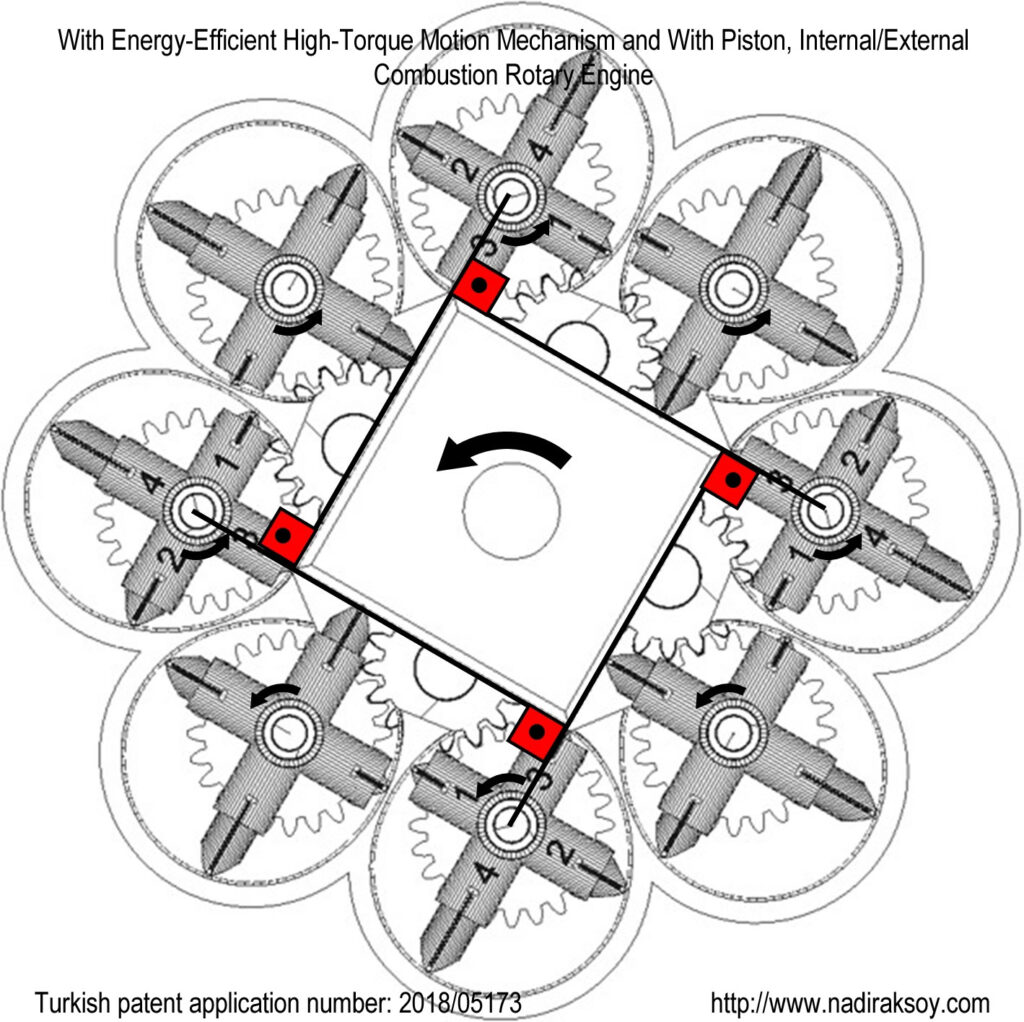
Upon the completion of combustion and at the initiation of the expansion stroke, the effective angle between the piston axis and the output shaft axis is significantly greater than that of conventional engines. Consequently, this architecture achieves substantially higher torque density compared to traditional internal combustion systems. Furthermore, throughout the power and exhaust strokes—and specifically during the constant-volume combustion phase—the piston maintains a consistent 90-degree vector relative to the rails. This perpendicular interaction also persists during the intake and compression strokes, ensuring that the piston-cylinder assembly is subjected exclusively to axial pressure, thereby eliminating parasitic lateral forces.
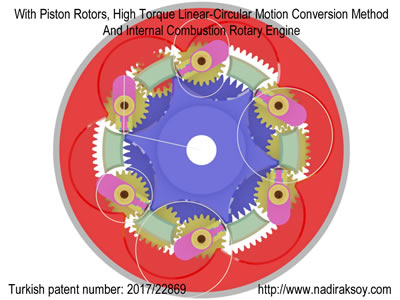
Due to the absence of mechanical linkages connected to the piston, these inventions allow for precise modulation of piston velocity and positioning. Combustion is executed within an independent 30-degree stroke (duration), during which the piston velocity remains at zero. This ‘dwell’ period ensures complete combustion within a constant volume. Consequently, by utilizing ultra-lean mixtures well below the stoichiometric ratio, the thermal efficiency across all operating speeds significantly exceeds that of conventional engines. Peak cylinder pressure is strategically applied as the piston transitions toward the bottom dead center (BDC). In this regard, these mechanisms can be defined as ‘independent three-stroke’ or ‘five-stroke’ internal combustion engines. Furthermore, this architecture effectively resolves the combustion phase control challenges inherent in compression ignition systems (CIDI, PCCI, HCCI, SPCCI) without the necessity of spark-assisted ignition.
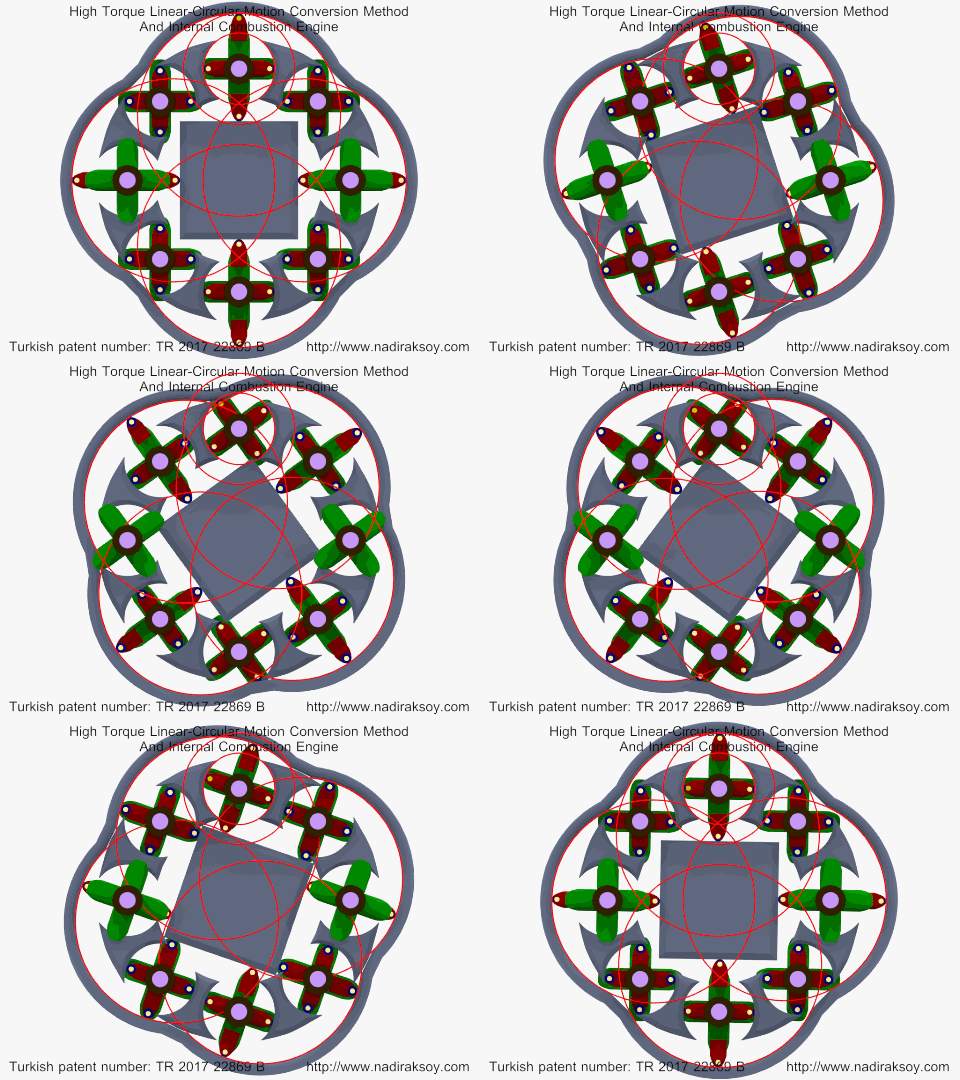
The compression ratio of the system can be dynamically adjusted by modifying the rail geometry.
Fundamentally, the conventional crankshaft is a suboptimal component for converting the chemical potential energy of fuel into mechanical kinetic energy. It induces significant torque and power dissipation during the conversion of linear motion into rotary motion. Consequently, this leads to excessive exhaust emissions, increased manufacturing costs, higher noise levels, intensive labor requirements, and redundant weight. Both traditional reciprocating and rotary (e.g., Wankel) internal combustion engines suffer from two primary disadvantages inherent to the geometry of the crankshaft architecture:
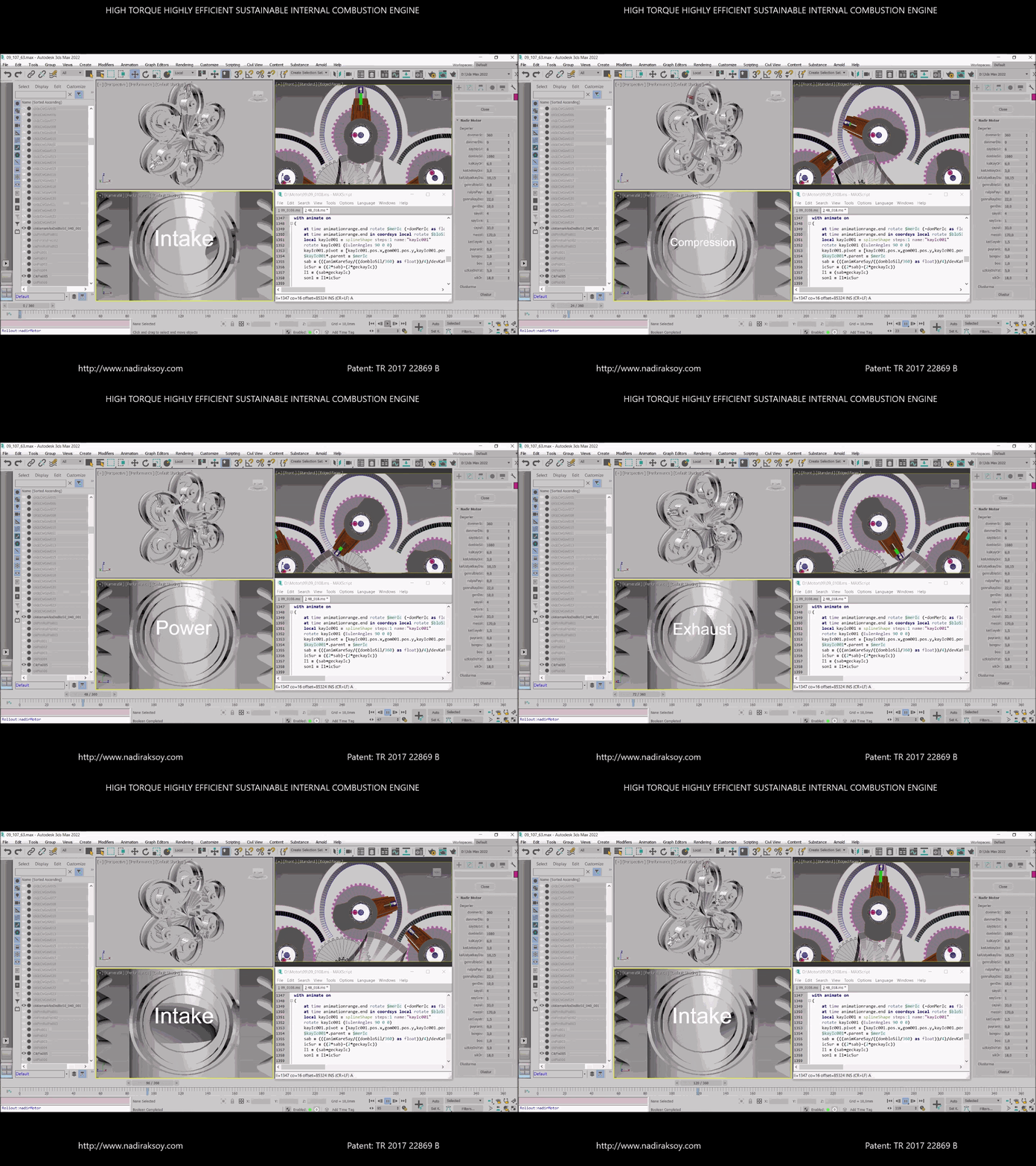
In mechanical designs—whether crankshaft-based or rotary—the conversion of force into linear or rotary motion is hindered by a fundamental geometric constraint: peak pressure occurs in close proximity to the top dead center (TDC). At the initiation of the expansion stroke, where the cycle’s maximum pressure is reached, the crank angle typically ranges between 10–15 degrees. This suboptimal alignment prevents the pressure from being effectively converted into torque, as the angle only approaches the ideal 90-degree vector as the pressure value diminishes. While various attempts have been made to mitigate this by employing energy-storage springs or auxiliary linkages to delay force application, these solutions often introduce mechanical complexity. Furthermore, even crankshaft-less alternatives frequently fail to resolve these inherent inefficiencies or struggle to maintain a precise, smooth circular output.
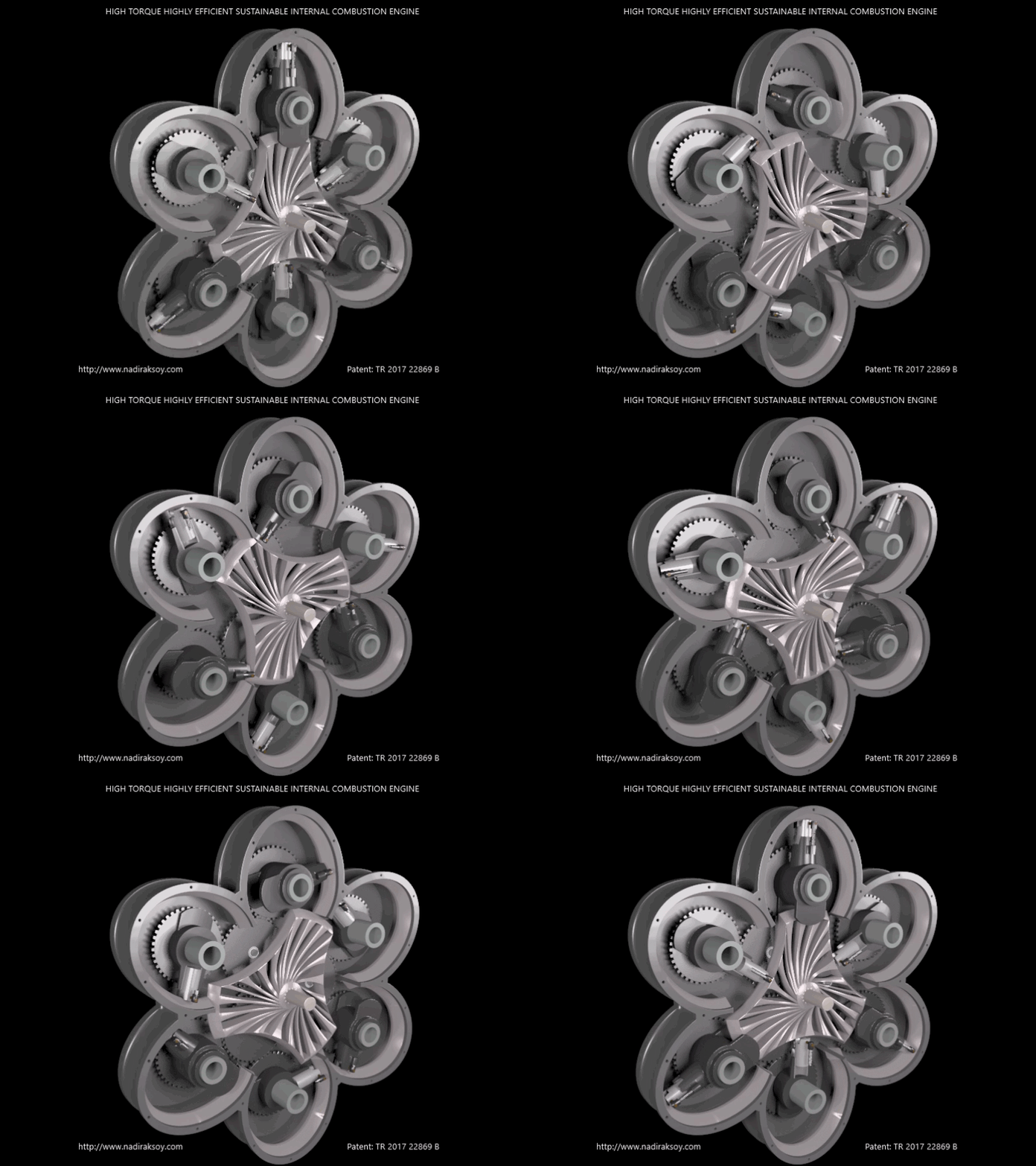
In conventional reciprocating and rotary internal combustion engines, the combustion process is not executed as a discrete and independent fifth cycle phase alongside the standard four strokes (intake, compression, expansion, and exhaust). The lack of stroke independence stems from the fact that combustion initiates during the final stages of the compression stroke and persists well into the expansion stroke. This overlap prevents sufficient duration for complete combustion and fails to utilize the critical zero-velocity ‘dwell’ period at top dead center (TDC). Consequently, initiating combustion prior to TDC induces significant thermodynamic losses. Furthermore, the absence of axial and uniform rotational motion in traditional architectures inherently leads to parasitic vibrations and mechanical instability
As a consequence of these inherent disadvantages, parasitic friction losses increase substantially, leading to a degradation in mechanical and thermal efficiency as well as emission profiles. Accordingly, overall systemic efficiency is compromised, and brake-specific fuel consumption (BSFC) increases. This invention provides a definitive solution to these two fundamental challenges:
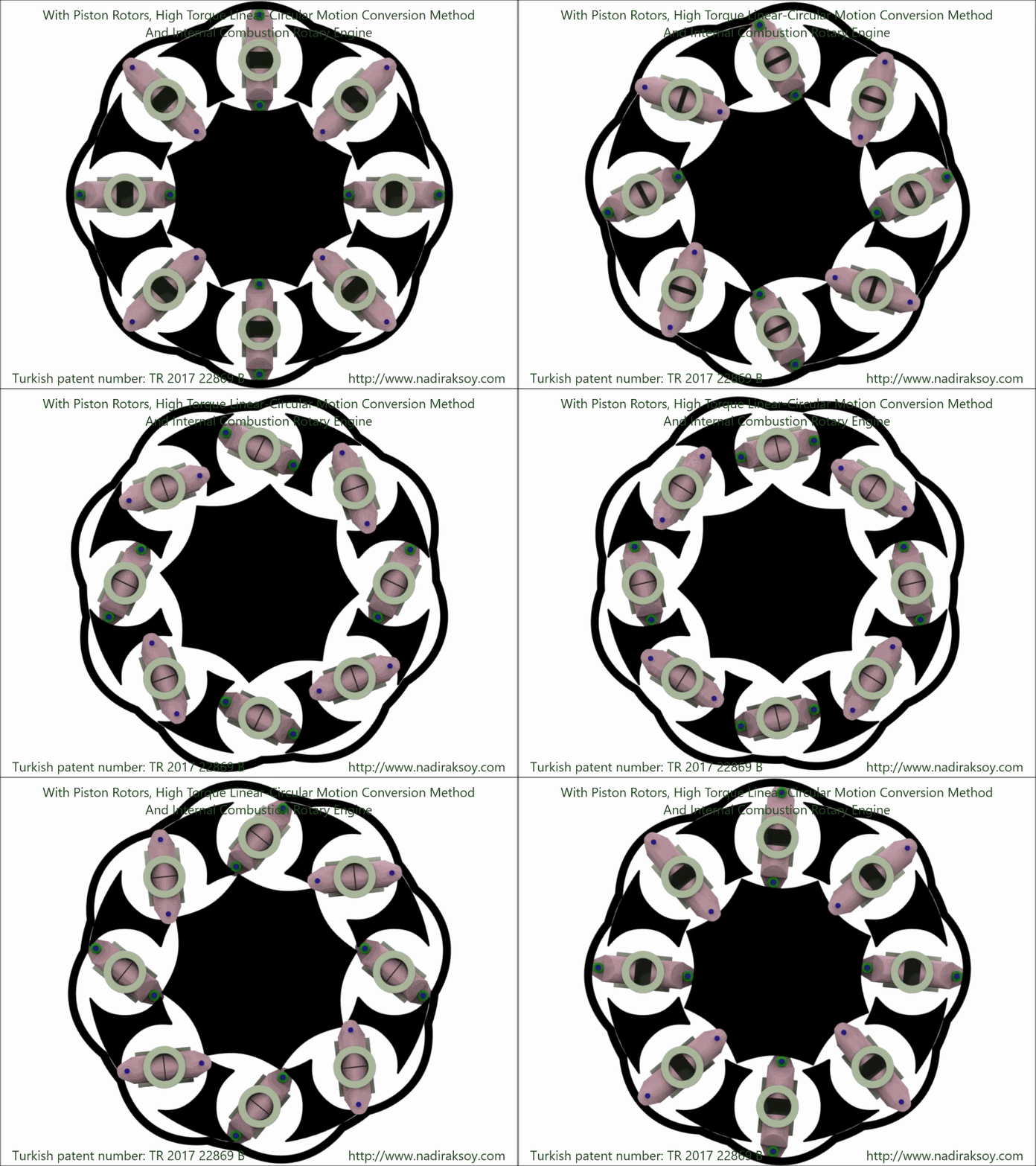
High-Torque Crankshaft-Less Orbital Engine Architecture
This invention introduces a novel crankshaft-less architecture designed to optimize the conversion of linear piston motion into rotational output with significantly enhanced torque density. By eliminating the geometric constraints of the traditional slider-crank mechanism, the system achieves an ideal 90-degree torque angle at the onset of the expansion stroke, precisely when cylinder pressure is at its peak.
Key Thermodynamic and Mechanical Innovations: Independent Combustion Stroke: The cycle features a discrete combustion phase that is decoupled from the traditional four strokes. This allows for a constant-volume heat addition process where the piston velocity remains at zero (dwell period) while the output shaft continues its rotation.
Theoretical Otto Cycle Realization: By maintaining a static volume during ignition, the engine closely approximates the ideal theoretical Otto cycle. This ensures complete chemical energy release, leading to a higher pressure rise rate and superior thermal efficiency compared to conventional reciprocating engines.
Optimized Power Transfer: The high pressure generated during the zero-velocity dwell is transferred to the internal/external rails at a maximized mechanical advantage (90° vector). This results in a highly efficient cycle with reduced brake-specific fuel consumption (BSFC) and lower carbon emissions.
Mechanical Stability: The design ensures strictly axial force transmission, eliminating parasitic lateral forces and cylinder wall friction. This produces a more stable operational profile with zero vibration, enhancing the overall longevity and reliability of the engine.
Furthermore, by preserving the proven piston-cylinder architecture used in conventional internal combustion engines, this technology ensures compatibility with existing manufacturing processes, tooling, and supply chains. Beyond automotive applications, this methodology is highly scalable for aerospace propulsion, including piston-integrated jet engines and gas turbine architectures. From an exergy economy perspective, the sequential cycling of compression cylinders in a multi-cylinder piston-jet configuration optimizes thermal management and enhances overall systemic efficiency.
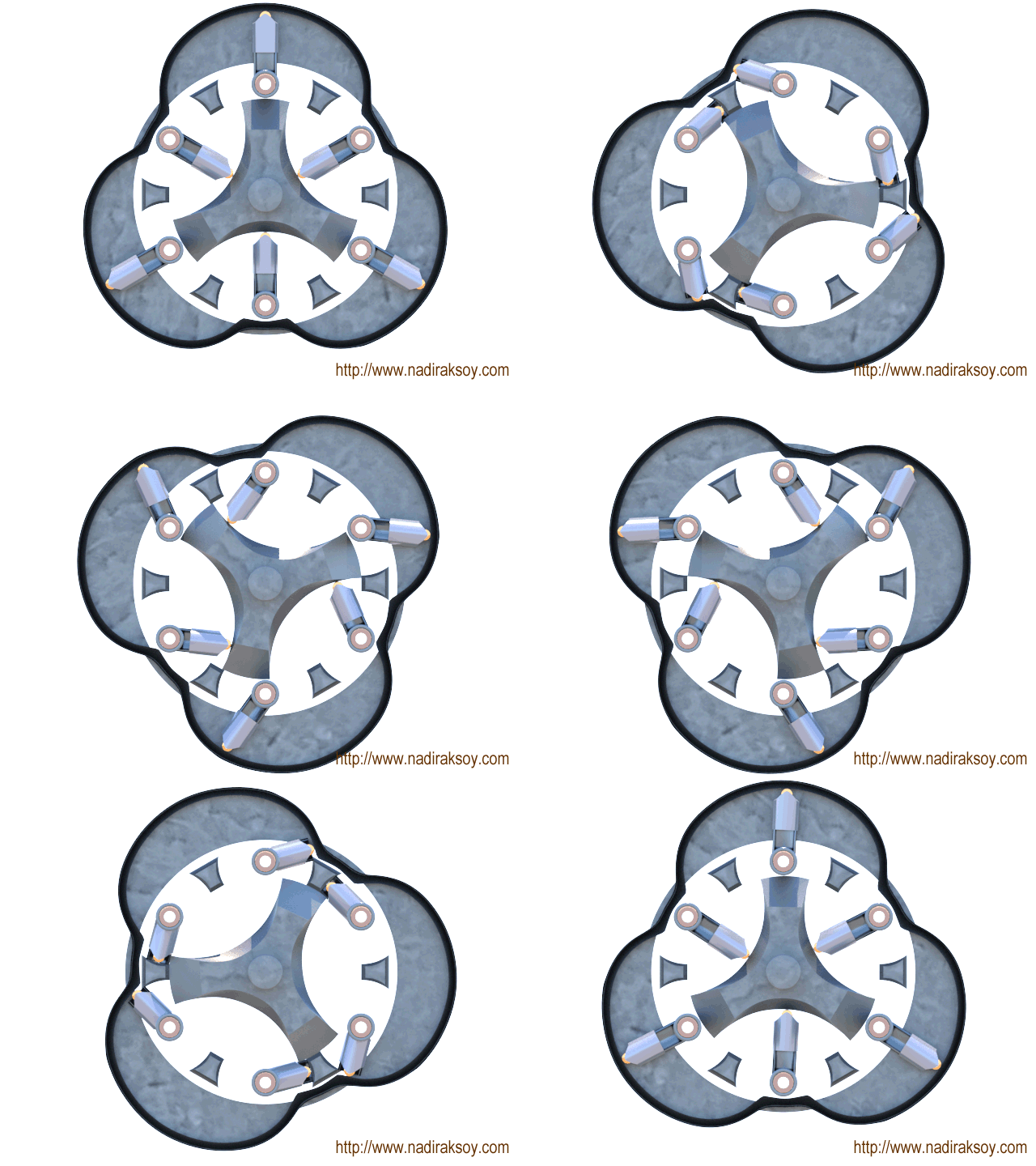
The scope of this invention transcends petroleum-based applications; it fundamentally redefines the conversion of linear motion into high-torque rotational output. Beyond internal combustion engines, the superior torque density of this mechanism enables its integration into external combustion systems, such as Stirling engines. Furthermore, the architecture provides a transformative solution for compressed air propulsion. By leveraging the enhanced torque profiles, the two primary limitations of pneumatic engines—range and acoustic noise—are effectively mitigated. Additionally, the system offers substantial efficiency gains when utilized in reciprocating piston compressor configurations.
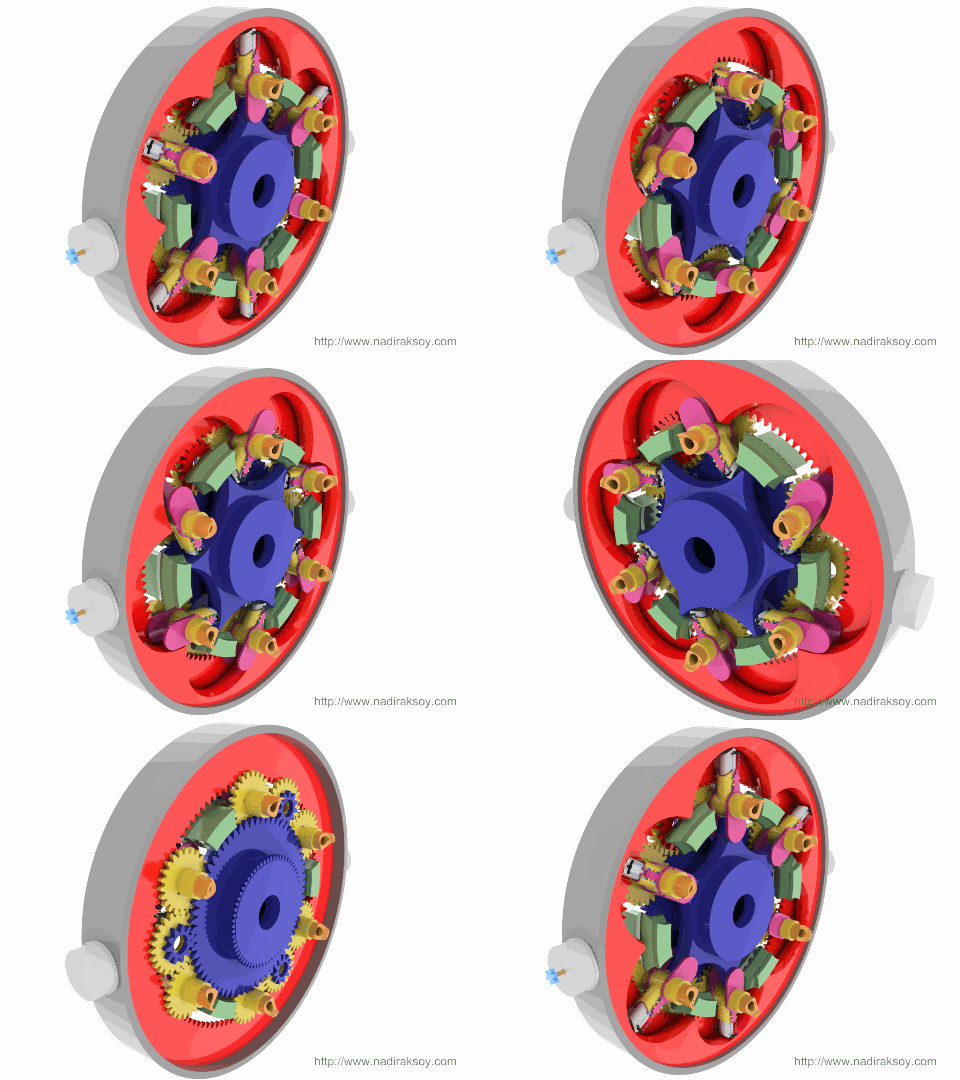
Multi-Fuel Versatility and Ammonia Combustion Excellence
This innovation exhibits a robust fuel-agnostic capability, supporting renewable energy vectors such as biodiesel and natural gas. The inherent design ensures superior operational efficiency with natural gas by maintaining a constant-volume combustion stroke. Furthermore, the specialized rail geometry facilitates rapid reaching of the Top Dead Center (TDC), enabling high compression ratios without the risk of engine knocking (detonation).
Optimized Ammonia Utilization:
A critical breakthrough of this architecture is its high-performance compatibility with ammonia a fuel notoriously difficult to utilize in conventional internal combustion engines due to its low flame speed. Our engine overcomes these limitations through the following mechanisms:
Decoupled Combustion Cycle: By implementing an independent combustion stroke, the system provides sufficient residence time for ammonia to burn completely, even at high operational speeds.
Zero-Carbon Footprint: Since ammonia contains no carbon atoms, the propulsion cycle achieves zero emissions, significantly outperforming traditional fossil-fuel engines.
Integrated Thermal Management: Leveraging the high latent heat of vaporization of ammonia, the fuel serves a dual purpose as an internal coolant. This eliminates the requirement for conventional cooling systems, further reducing systemic weight and mechanical complexity.
This mechanism transforms ammonia into an economically viable and highly efficient energy source, providing a definitive solution to the decarbonization of the power generation and transportation sectors.
The Impact of Crankshaft Geometry on Combustion and Torque Efficiency
In conventional internal combustion engines, the presence of unburned hydrocarbons (HC) in the exhaust gas is a direct indicator of substandard thermal efficiency. Similarly, carbon monoxide (CO) emissions result from incomplete combustion, where fuel molecules bond with a single oxygen atom instead of two due to partial oxidation.
Factors preventing complete combustion include:
Spatial instability and non-uniformity of the air-fuel ratio (AFR) within the cylinder.
Combustion occurring under variable and unstable volume, pressure, and temperature conditions.
Insufficient residence time for the chemical reaction to reach completion.
In an ideal, complete combustion scenario, only harmless carbon dioxide and water vapor would be emitted.
Beyond these thermodynamic drawbacks, traditional engines suffer from a critical mechanical limitation: peak cylinder pressure is transferred to the output shaft at an extremely narrow torque angle. This suboptimal leverage significantly degrades both mechanical and thermal efficiency.
The fundamental component responsible for these dual systemic failures—partial combustion and inefficient torque transfer—is the crankshaft.
Decoupled Combustion and Optimized Torque Transmission
The resolution to the first challenge is achieved by establishing a constant-volume combustion chamber at the conclusion of the compression phase, characterized by a combustion stroke that is independent of the traditional four-stroke cycle. This architecture allows for complete chemical energy release while the piston remains in a zero-velocity dwell state, even as the engine continues its rotation. Consequently, the fundamental requirements for complete combustion are met: a stabilized air-fuel mixture throughout the chamber, a consistent thermodynamic environment (volume, pressure, and temperature), and sufficient residence time for total oxidation.
The solution to the second challenge is realized by decoupling the power transmission from the traditional connecting rod assembly. The peak cylinder pressure is transferred to the output shaft through a novel mechanical interface that maintains an optimal torque angle throughout the entire expansion stroke.
By eliminating the crankshaft, this invention synergizes these two solutions. During the independent combustion phase—where the piston velocity is zero despite continuous engine rotation—the maximum pressure achieved through complete combustion is applied at the ideal torque vector (90°) and subsequently transmitted to the internal and/or external rails. This ensures maximum mechanical advantage and unparalleled systemic efficiency.
Key Technological Advantages over Traditional IC Engines
This innovation introduces two paradigm-shifting advancements compared to conventional internal combustion (IC) architectures, significantly enhancing both thermodynamic and mechanical performance:
Independent Combustion Stroke (Five-Stroke Cycle Architecture)
Decoupled Combustion Window: Unlike traditional four-stroke cycles where combustion overlaps with mechanical motion, this technology features a discrete combustion phase. During this interval, the piston velocity remains at zero (dwell state) while the output shaft continues its rotation.
Constant-Volume Heat Addition: This ‘zero-velocity’ window enables true constant-volume combustion, approximating the ideal Otto cycle more closely than any conventional reciprocating engine.
Thermodynamic Excellence: By achieving complete chemical energy release, the system maximizes thermal efficiency, significantly reduces Brake-Specific Fuel Consumption (BSFC), and eliminates harmful emission profiles.
Fuel Versatility & Alternative Power: The extended residence time allows for the complete combustion of alternative and renewable fuels with slower flame speeds. Furthermore, in hydrogen-argon power cycles, it resolves the critical injection timing challenges associated with high-pressure hydrogen induction.
Optimized Force Transmission & Torque Density
Maximized Mechanical Advantage: The engine is engineered to transfer peak cylinder pressure—attained at the conclusion of complete combustion—to the output shaft at the optimal torque vector (90-degree angle).
Efficiency Synergies: By aligning the maximum pressure with the highest mechanical leverage, the system simultaneously increases both thermal and mechanical efficiency. This results in a superior power-to-weight ratio while maintaining ultra-low specific fuel consumption across all operating ranges.
This invention transcends the mere implementation of alternative kinematics for internal combustion engines. It represents the culmination of a developmental journey that began 27 years ago with my initial conceptual prototypes, now evolved into a high-performance industrial solution.
Integrating advanced features absent in traditional internal combustion architectures, this invention is categorized as a next-generation, eco-friendly, and sustainable power unit.
By leveraging the efficiencies introduced by this invention, it becomes feasible to utilize both renewable and petroleum-derived fuels more effectively. This serves as a vital bridge for electric vehicles, which are projected to face significant challenges in meeting global climate targets independently over the coming decades.
Bize Ulaşın
Üniversiteler Mah. 1596 Cad. Teknokent Kuluçka Merkez Binası No: 6 C İç Kapı No: 10/B1 Çankaya/ ANKARA